Protect Your Home: Professional Roof Repair Services for All Needs
In today's quick-moving world, roof problems can easily escalate from minor irritations to significant concerns. Many property owners are unsure about when to maintain or swap out their roofs. Grasping the various materials available and the advantages they offer can make a significant impact. As these decisions impact both resilience and thermal performance, exploring expert solutions becomes critical. What elements should one consider when approaching a roofing undertaking? The solutions may amaze you.
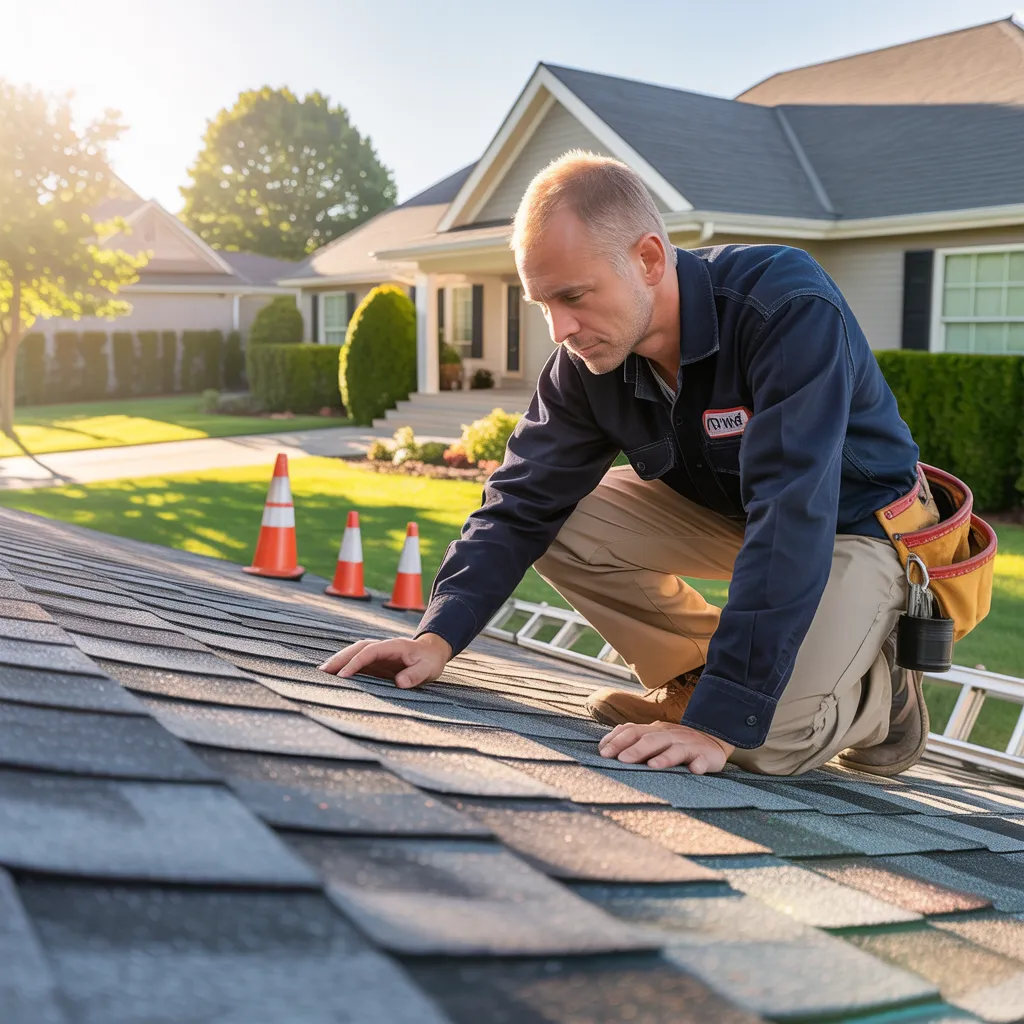
Spotting Regular Roofing Problems and Answers
How can residents effectively identify common roofing problems before they escalate? Regular inspections are important for spotting problems early. Residents should search for obvious signs like missing or damaged shingles, which can leave the hidden layers to moisture. Additionally, checking for granule loss in gutters can indicate roof deterioration. Water stains on ceilings or walls may signal leaks, and residents should check the attic for signs of moisture or mold.
Another significant factor is inspecting flashing around chimneys and vents, since breakdown in these zones can result in major leaks. Homeowners should additionally pay attention to sagging areas, which might signal structural issues. By being vigilant and doing routine inspections, homeowners can tackle roofing problems quickly, potentially lowering costly repairs. Generally, proactive identification of these common issues fosters a healthier roof and prolongs the lifespan of the home’s structure.
Should You Repair or Swap Out Your Roofing
After identifying common roofing problems, property owners must determine whether to repair or replace their roof. This decision often copyrights on the level of damage and the roof's total age. Small leaks or isolated damage can usually be fixed with repairs, especially if the roof is fairly new. However, if a roof is approaching the end of its lifespan—usually 20 to 30 years for most materials—replacement may be the more cost-effective option in the long term.
Homeowners should also think about the frequency of repairs. If ongoing issues arise, it may suggest that a replacement is necessary to guarantee the home's structural soundness. Additionally, factors such as energy efficiency and aesthetic appeal can influence the decision. Ultimately, speaking to a qualified roof specialist can provide clarity, helping homeowners make an well-considered decision that matches their financial limits and future objectives.
Understanding Different Roofing Materials for Your Home
When determining roofing materials, property owners encounter various options, each with unique features. Asphalt shingles offer affordability and ease of installation, while metal roofing provides long-lasting durability and improved efficiency. Additionally, tile roofing is renowned for its resilience and aesthetic appeal, making it a preferred option in many regions.
Asphalt Shingles Guide
Asphalt shingles have become a top choice for homeowners seeking a balance between affordability and durability in roofing materials. These shingles are usually made from a fiberglass base saturated with asphalt, offering resilience against various weather conditions. Available in a range of colors and styles, asphalt shingles can enhance a home’s overall look while offering reliable protection. They are generally classified into two types: three-tab and architectural shingles, with the latter providing greater thickness and longevity. The installation process is straightforward, making them a favored choice among contractors. Furthermore, asphalt shingles require little maintenance, contributing to their widespread use. Overall, they serve as a efficient solution for homeowners aiming to protect their shelter affordably.
Metal Roof Strengths
Even though homeowners often prioritize expense and looks, the benefits of metal roofing surpass these considerations. Metal roofs are renowned for their strength, often lasting 40 to 70 years, greatly outdoing traditional materials. They are protective against severe weather conditions, including strong wind gusts and intense snowfalls, which enhances their longevity. Moreover, metal roofing is lightweight, lowering structural stress on homes. Its reflective properties can lead to lower energy costs by helping keep interiors cooler in warmer climates. Additionally, metal roofing is environmentally friendly, often made from recycled materials and fully recyclable at the end of its life cycle. With minimal maintenance required, metal roofs provide a efficient, lasting solution for homeowners seeking reliability and efficiency.
Tile Roof Strength
Tile roofing provides a distinct mix of strength and visual appeal, making it a popular choice among homeowners. Known for its longevity, tile roofs can last more than 50 years with proper maintenance. They are very resistant to extreme weather conditions, such as high winds, heavy rain, and extreme temperatures. Moreover, tile materials such as clay and concrete are fire-resistant, giving an extra layer of safety.
The weight of tile roofing necessitates a strong load-bearing structure, but once installed, it calls for reduced maintenance. It also enhances power conservation, reflecting sunlight and minimizing cooling costs. Overall, tile roofing shines for its ability to unite resilience with aesthetic appeal, making it an excellent choice for sustained home preservation.
Affordable and Green Benefits of Energy-Efficient Roofing
Energy-efficient roofing works toward not only a ecological environment but also grants noteworthy cost economies for dwelling owners. By utilizing materials that throw back sunlight and diminish heat absorption capacity, these roofs help maintain lower indoor temperatures, leading to reduced energy consumption for heating and cooling. This lessening in energy use can manifest as lower utility bills, presenting sustained financial benefits.
Moreover, many energy-efficient roofing alternatives are designed to be robust and low-maintenance, further reducing future replacement or maintenance expenses. Homeowners may also benefit from potential tax credits or rebates for adopting eco-friendly roofing solutions.
Additionally, these roofing solutions can improve property value, drawing in eco-minded buyers. By going with energy-efficient roof options, homeowners invest in a product that not only protects their property but also aligns with a commitment to sustainability, making it a wise financial and environmental choice.
Select the Ideal Roofing Contractor
Determining the best roofing expert is essential for achieving a successful venture. It is important to validate credentials and experience, as these factors considerably affect the quality of output. In addition, examining a contractor's portfolio and client feedback can offer valuable understanding into their credibility and expertise.
Verify Qualifications And Experience
A qualified roofing contractor can greatly impact the durability and quality of a roofing project. Consequently, verifying credentials and experience is important for homeowners seeking trustworthy service. First, potential clients should verify that the contractor is licensed and insured, as this protects them from liability in case of accidents. Additionally, checking for industry certifications can indicate a contractor's commitment to excellence and ongoing education. Experience in specific roofing materials and techniques is also crucial; a contractor with a demonstrated track record in similar projects is more likely to deliver satisfactory results. Homeowners should inquire about the contractor’s years in business and any specialties, ensuring they select a professional who can meet their unique roofing needs effectively.
Consider The Portfolio And Citations
Analyzing a contractor's track record and client feedback is important in selecting the right roofing professional. A detailed portfolio reveals previous work, illustrating the contractor's experience and craftsmanship. Homeowners should examine multiple roofing options and types that demonstrate range and knowledge. Furthermore, client testimonials provide perspective on the contractor's reliability, quality of work, and customer service. Consulting with earlier customers enables homeowners to measure satisfaction ratings and uncover any potential concerns. It is sensible to ask targeted questions pertaining to completion timeframes, how you'll communicate, and after-sales support. By thoroughly assessing both the work samples and testimonials, homeowners can reach a better decision, confirming their roofing undertaking is completed by a experienced and trustworthy expert.
Easy maintenance suggestions to maintain Your Roof lasting Longer
Although many property owners may disregard roof upkeep, consistent maintenance is vital for prolonging its longevity. Regular check-ups can detect possible problems early, such as damaged shingles or debris buildup. Homeowners should aim to inspect their roofs at least twice a year, especially after extreme weather conditions. Clearing leaves, branches, and other debris can prevent water pooling, which may result in leaks and fungal growth.
Additionally, homeowners should check gutters and downspouts, ensuring they are clear to allow proper drainage. Maintaining trees trimmed to prevent branches touching the roof helps reduce wear and tear. Addressing minor repairs without delay is vital; small leaks can quickly escalate into major problems if ignored. Finally, administering a protective coating can strengthen durability against harsh weather conditions. By implementing these simple maintenance tips, homeowners can greatly lengthen the life of their roofs and safeguard their investment.
Budget Planning for Your Roofing Project
Effective budgeting for a roofing project requires careful preparation and evaluation of various factors. Homeowners should start by evaluating the scope of the project, including materials, labor, and any necessary permits. It is vital to research different roofing materials, as costs can differ considerably based on quality and longevity. For instance, asphalt shingles may be less expensive initially, but metal or tile options could offer better long-term value.
Likewise, obtaining numerous quotes from trusted contractors helps ensure competitive rates. Budgeting should also take try now into account potential damage that may surface during the undertaking, so allocating a reserve budget is advisable. Finally, property owners should consider financing solutions if the finances is constrained, helping them to control costs without sacrificing quality. By implementing these measures, property owners can create a feasible budget that satisfies their roofing requirements while protecting their financial security.
Regularly Requested Answers
How long Does an Common Roof Last Before Needing Replacement?
A typical roof lasts between 20 to 50 years, based on materials and upkeep. Factors such as climate, quality of installation, and exposure to elements greatly affect its longevity and overall performance over time.
Which Warranties Can You Access for Roofing Materials and Installation?
Diverse guarantees are available for roof materials and labor, such as manufacturer warranties that generally safeguard against defects and labor warranties that guard from installation errors. Duration and terms vary by product and contractor.
Do specific roof systems exist for harsh climate conditions?
Specialized roofing solutions intended for extreme weather conditions exist, including impact-resistant shingles, reinforced metal roofs, and advanced waterproof membranes. These materials enhance durability and protection against severe winds, heavy rains, and hail damage.
What Methods Help Assess a Honest Roofing Contractor?
To determine a dependable roofing contractor, one should examine proper licensing, read customer reviews, check insurance coverage, request references, and compare multiple quotes to ensure quality and professionalism in their services.
What Ought to I Do During a Roofing Emergency?
During a roof crisis, he should focus on safety by staying away from the location, assessing damage from afar, and contacting a professional contractor immediately. Rapid response can prevent further damage and ensure proper repairs are made.